

Frog Crafts for Kids: Fun and Educational Activities
This post and the photos within it may contain Amazon or other affiliate links. If you purchase something through the link, I may receive a small commission at no extra charge to you.
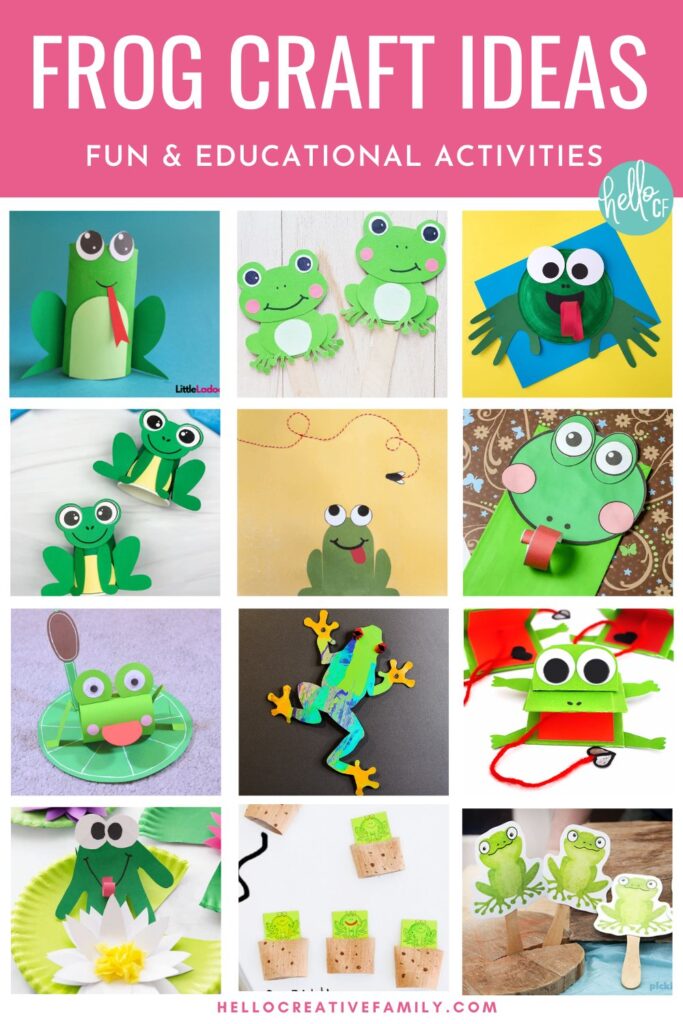
Looking for easy frog crafts for kids? This collection features 12 creative frog-themed crafts that are perfect for preschoolers, homeschoolers, and teachers! Learn about the life cycle of the frog including frog eggs, tadpoles, and froglets with fun DIY projects that encourage creativity and learning. Perfect for spring activities, Earth Day, and science lessons!
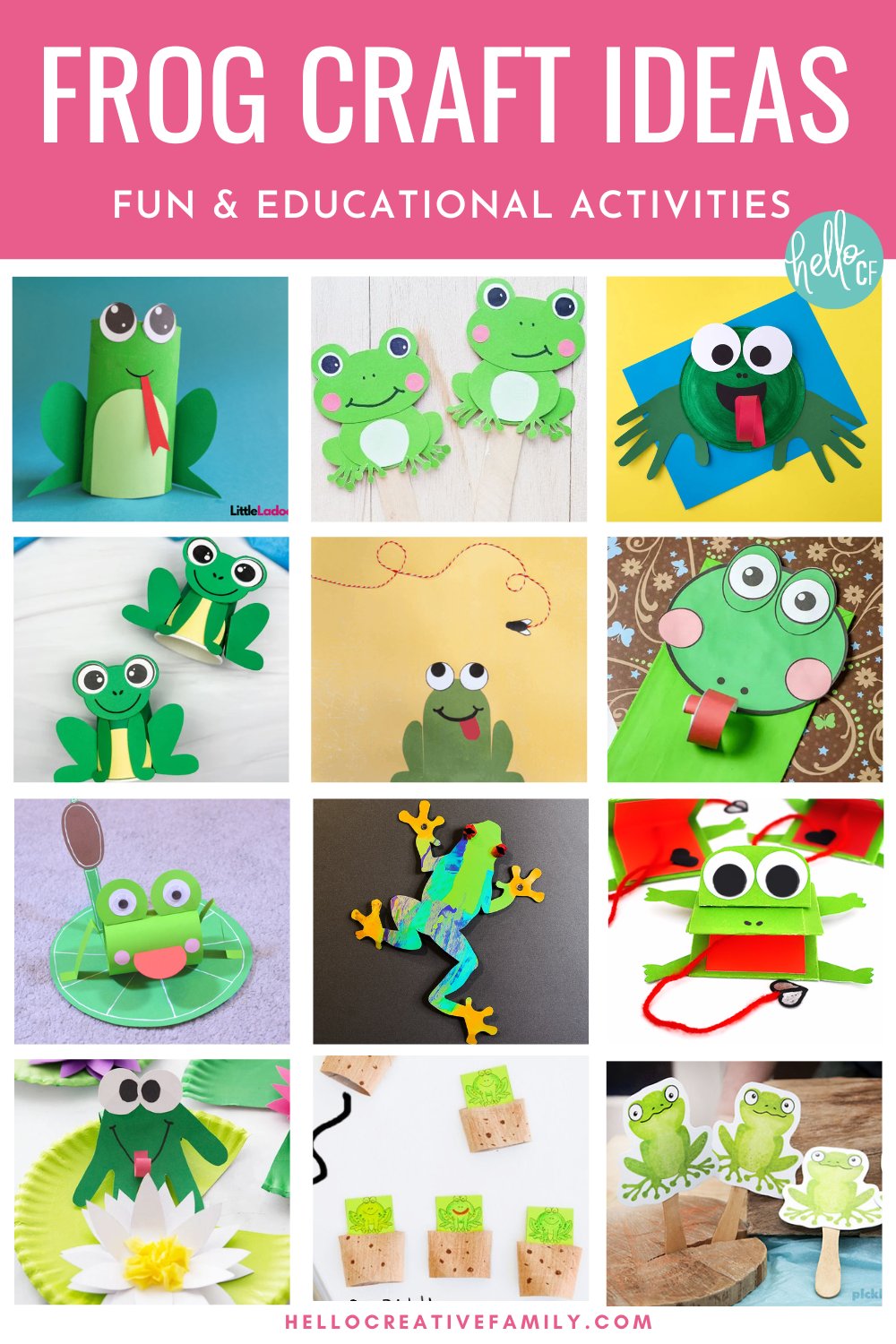
Frog crafts are a fantastic way for children to get creative while learning about nature. Whether used as part of a school science unit or a fun weekend activity, these crafts offer a hands-on approach to understanding the life cycle of frogs.
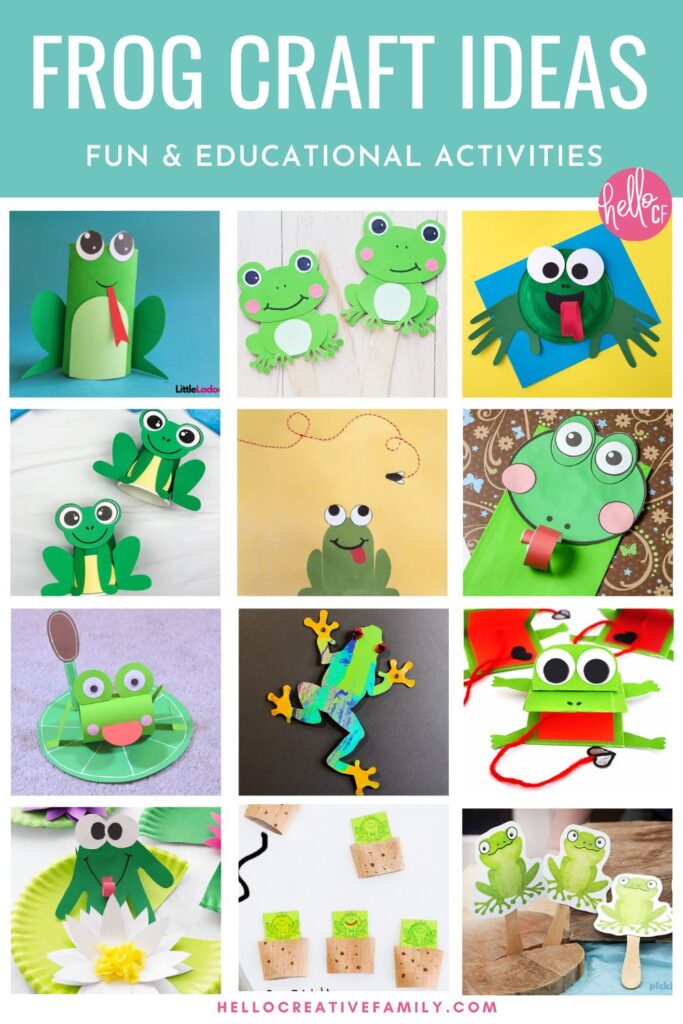
This roundup post includes a variety of engaging frog-themed crafts perfect for toddlers, preschoolers, homeschoolers, and classroom settings.
Growing Up in Nature: A Personal Frog Story
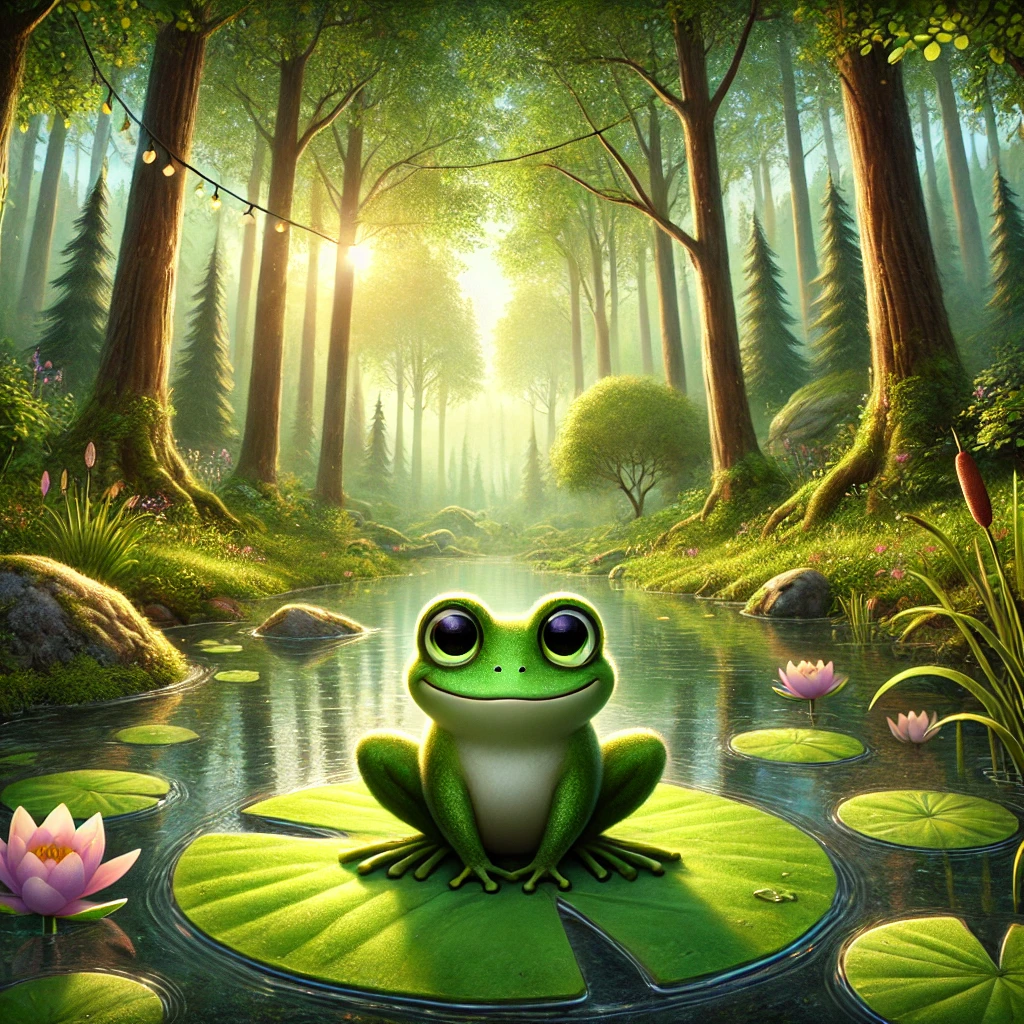
As a child growing up in Sudden Valley, Bellingham, Washington, I was surrounded by nature. My home was nestled in the forest, where deer, raccoons, and chipmunks were regular visitors.
One of the most fascinating experiences each spring was discovering the pond near my house filled with frog eggs.
My family would carefully collect some of these eggs and bring them home to observe their transformation.
Watching tadpoles hatch and grow into frogs was a magical experience that deepened my appreciation for nature’s wonders and was also an excellent educational opportunity.
Why Frog Crafts Are Perfect for Kids
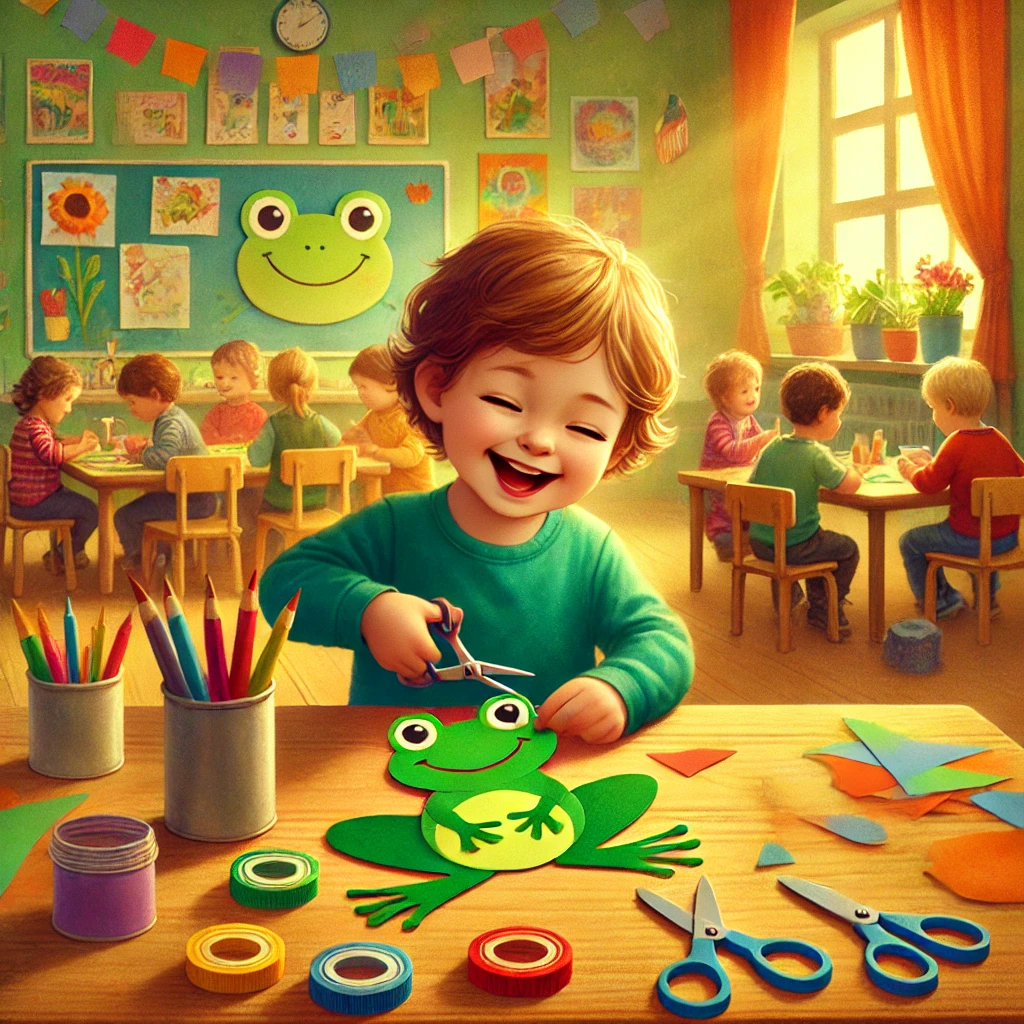
Frog crafts provide more than just an enjoyable activity—they offer a hands-on way for children to learn about amphibians.
These crafts:
- Improve fine motor skills through cutting, gluing, and painting.
- Encourage creativity while reinforcing science lessons.
- Introduce young learners to the fascinating life cycle of frogs.
For educators and homeschoolers, these crafts can be paired with books, field trips, or outdoor observations to enhance the learning experience.
The Life Cycle of a Frog: Learning Through Crafts
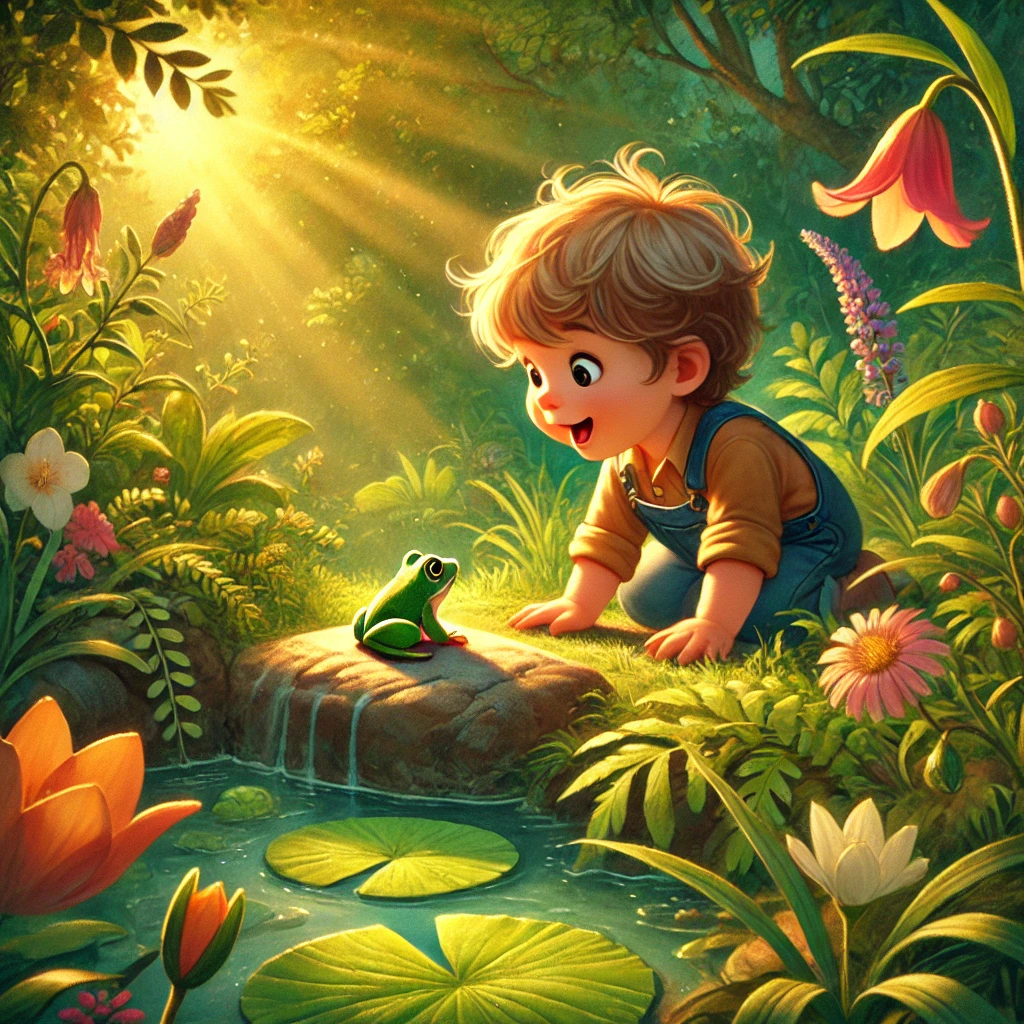
Understanding the habitat and life cycle of a frog is essential for young learners. Crafts can make this concept more accessible and engaging.
The four main stages of the frog life cycle include:
Egg Stage
Frogs begin their life as eggs, which are laid in clusters in water. These tiny eggs eventually hatch into tadpoles.
Tadpole Stage
Frogs hatch from their eggs as tadpoles. At this stage, they have gills and a long tail to help them swim, but no legs yet. They remain in the water, feeding on algae and growing rapidly.
Tadpoles resemble tiny fish, swimming and feeding as they develop into young frogs.
Tadpole with Two Legs Stage
As tadpoles grow, they start developing hind legs. At this point, they still have their long tails but begin their transition toward becoming frogs.
Tadpole with Four Legs Stage
Once the front legs develop, the tadpole continues to transform. Its tail starts to shorten as its body prepares for life outside of the water.
Froglet Stage
In this stage, the little frog has fully developed legs but still retains a small portion of its tail. This is a transitional phase where they begin adapting to life on land.
Adult Frog Stage
Fully developed frogs leave the water, hopping onto land as they begin their adult lives.
Each of the crafts in this list can be used to represent different stages of this life cycle, making them an educational tool as well as a fun activity.
Frog Habitats: Where Frogs Live and Thrive
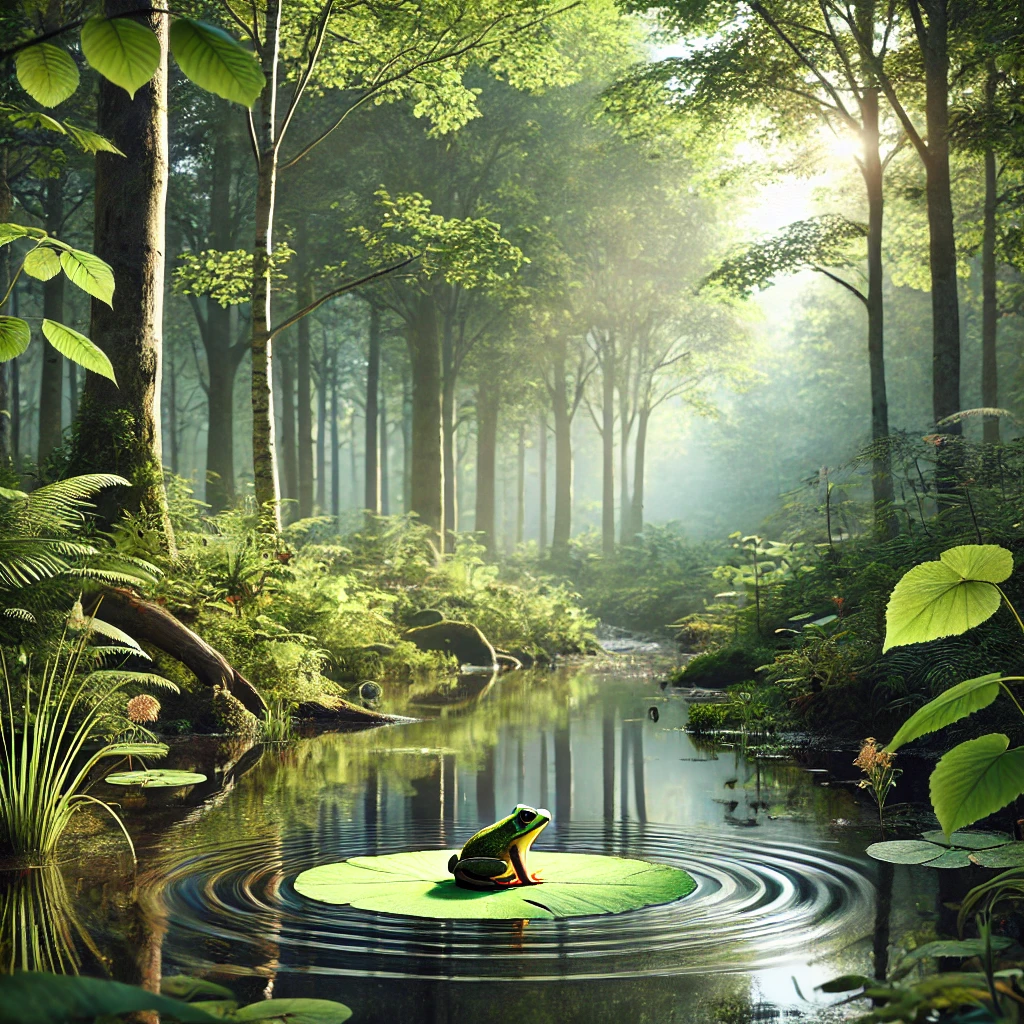
Frogs can be found all over the world, in a variety of environments that provide the food, water, and shelter they need to survive. Understanding their natural habitat helps children appreciate why these amazing amphibians are so special.
Where Do Frogs Live?
Frogs thrive in wetlands, ponds, lakes, and rainforests, but some species are also found in deserts and even trees! Most frogs need fresh water to lay their eggs, which is why they are commonly found near ponds, marshes, and slow-moving rivers.
What Makes a Good Frog Habitat?
A frog-friendly habitat typically includes:
- Water sources (ponds, marshes, or even backyard water gardens)
- Plenty of vegetation for shelter and food (frogs eat insects, so having plants that attract bugs helps!)
- Moist environments since frogs have permeable skin that needs to stay hydrated
Why Protecting Frog Habitats Matters
Frogs play an essential role in the environment by controlling insect populations and serving as food for other animals. However, pollution, habitat destruction, and climate change have put many frog species at risk.
Teaching children about the importance of keeping water sources clean and preserving wetlands can inspire future conservation efforts.
12 Fun and Creative Frog Crafts for Kids

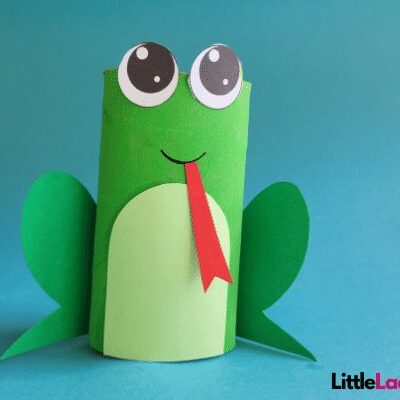
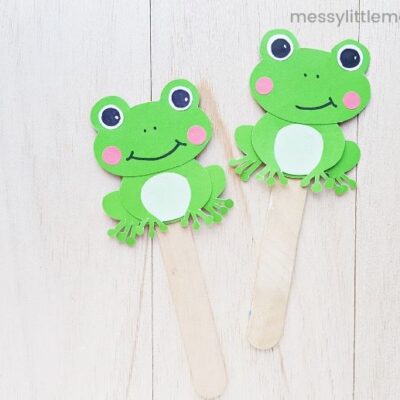
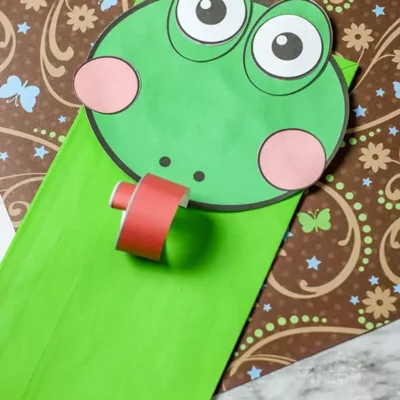
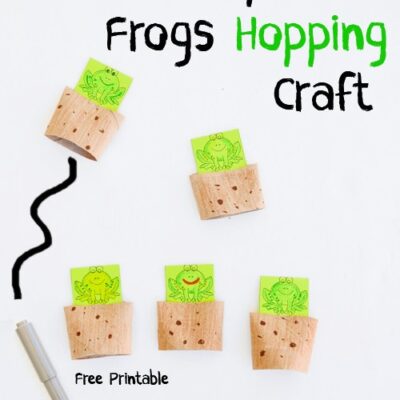
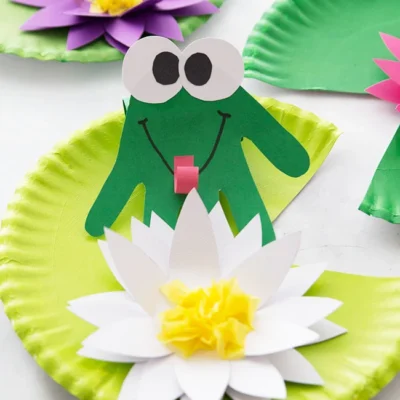
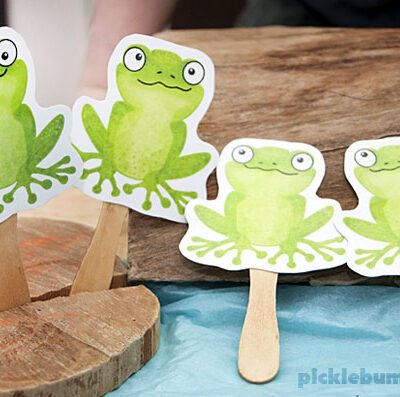
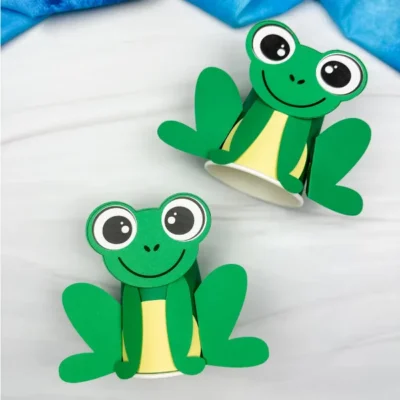
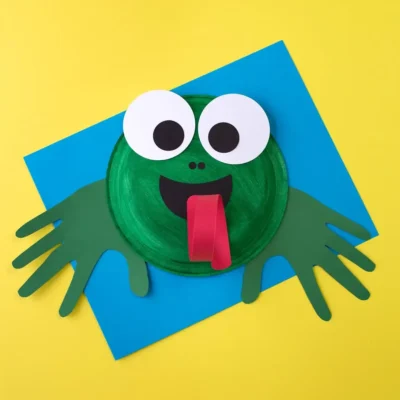
Explore this collection of cute frog crafts designed for a range of ages.
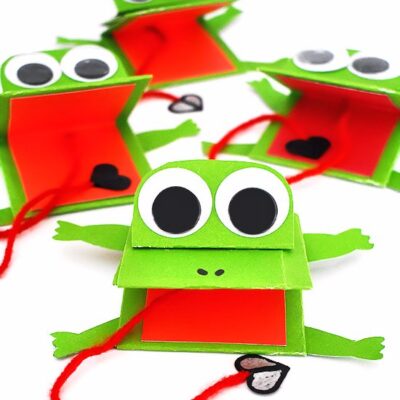
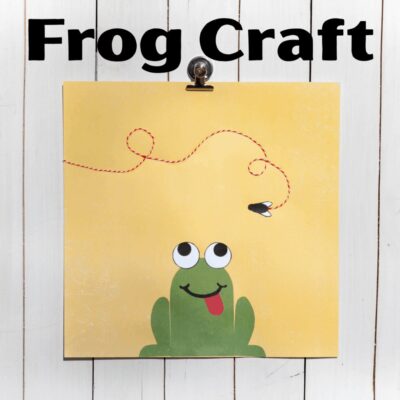
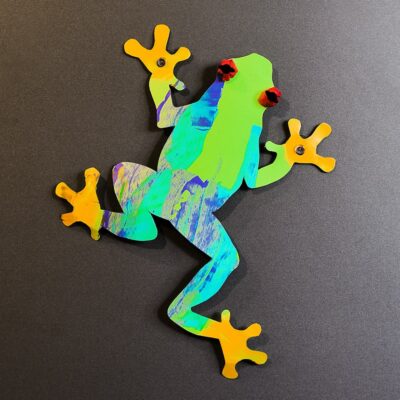
Whether making a paper frog puppet, paper plate crafts, or interactive frog-themed activities, these fun ideas offer hours of entertainment while reinforcing key learning concepts.

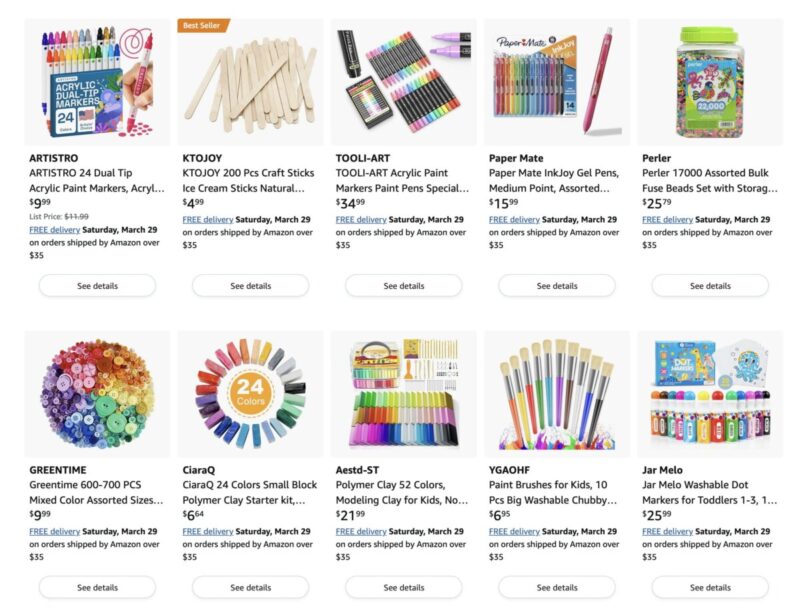
Supplies for Frog Crafts
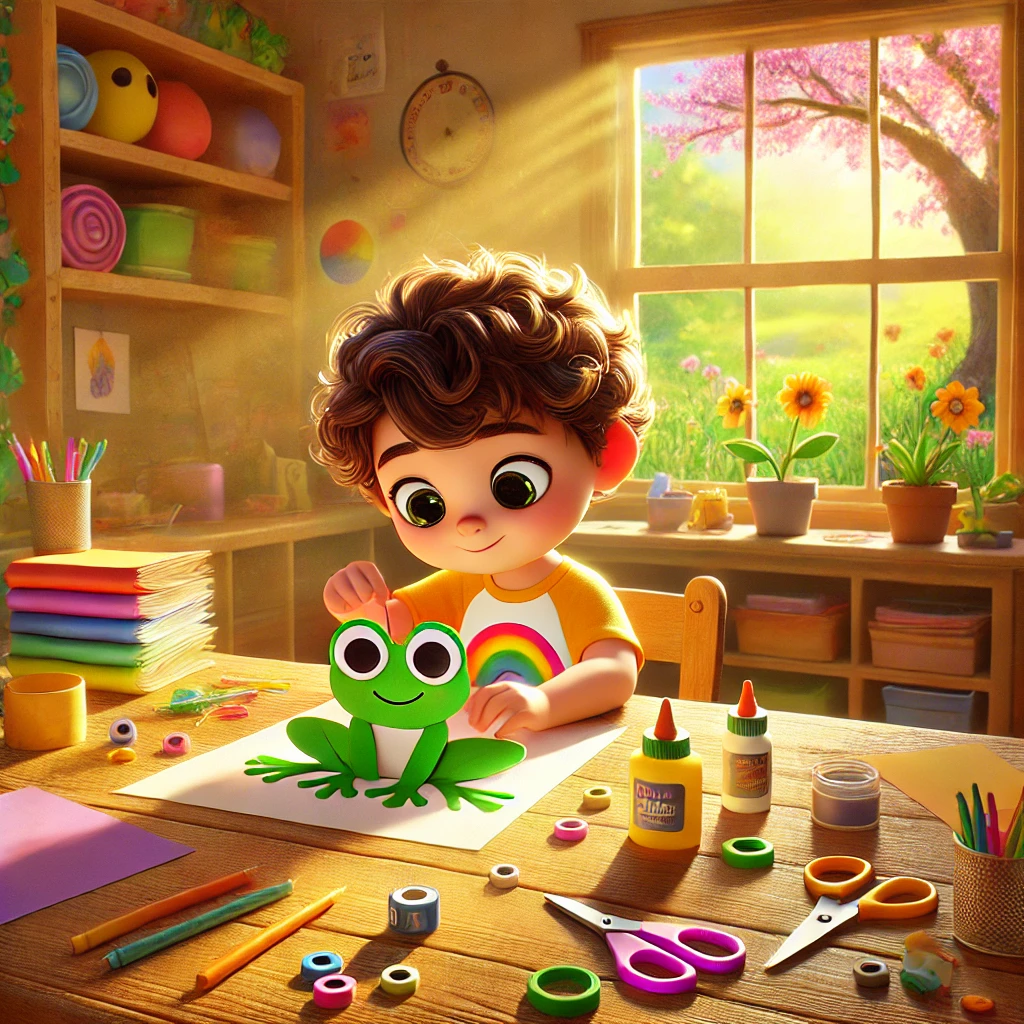
Having the right supplies makes crafting easier and more enjoyable.
Here are some recommended items:
- Construction paper
- Googly eyes
- Pipe cleaners
- Glue sticks
- Child-safe scissors
- Paper plates
- Toilet paper rolls
- Washable markers
- White paper
- Egg Cartons
Check out my shop with The Ultimate Craft Supplies For Little Makers here!
More Frog-Themed Activities

Extend the learning experience with these additional activities:
- Frog coloring pages – Engage children with printable frog coloring pages that are great for developing fine motor skills.
- Sensory play – Create a frog pond with this frog spawn sensory bin tutorial. This idea is simple to prepare and offers an unique combination of textures that is perfect for sensory seekers!
- Movement games – Get kids active and learning with movement games like “Hop Like a Frog,” which encourages them to mimic frog movements, promoting physical activity and coordination while also incorporating math as the children measure their hops.
- Imaginary play – Spark creativity and storytelling as kids design their own frog pond using play dough. They can create lily pads, tiny frogs, and even pretend to have their frogs jump from one lily pad to another.
Bring Your Frog Crafts to Life!
Frog crafts offer an exciting way for children to explore nature and express their creativity. Whether making puppets, paper crafts, or sensory play, these activities engage kids in hands-on learning.
Try out some of these ideas and share your froggy creations! Tag me on Instagram @hellocreativefamily if you make one of these projects!